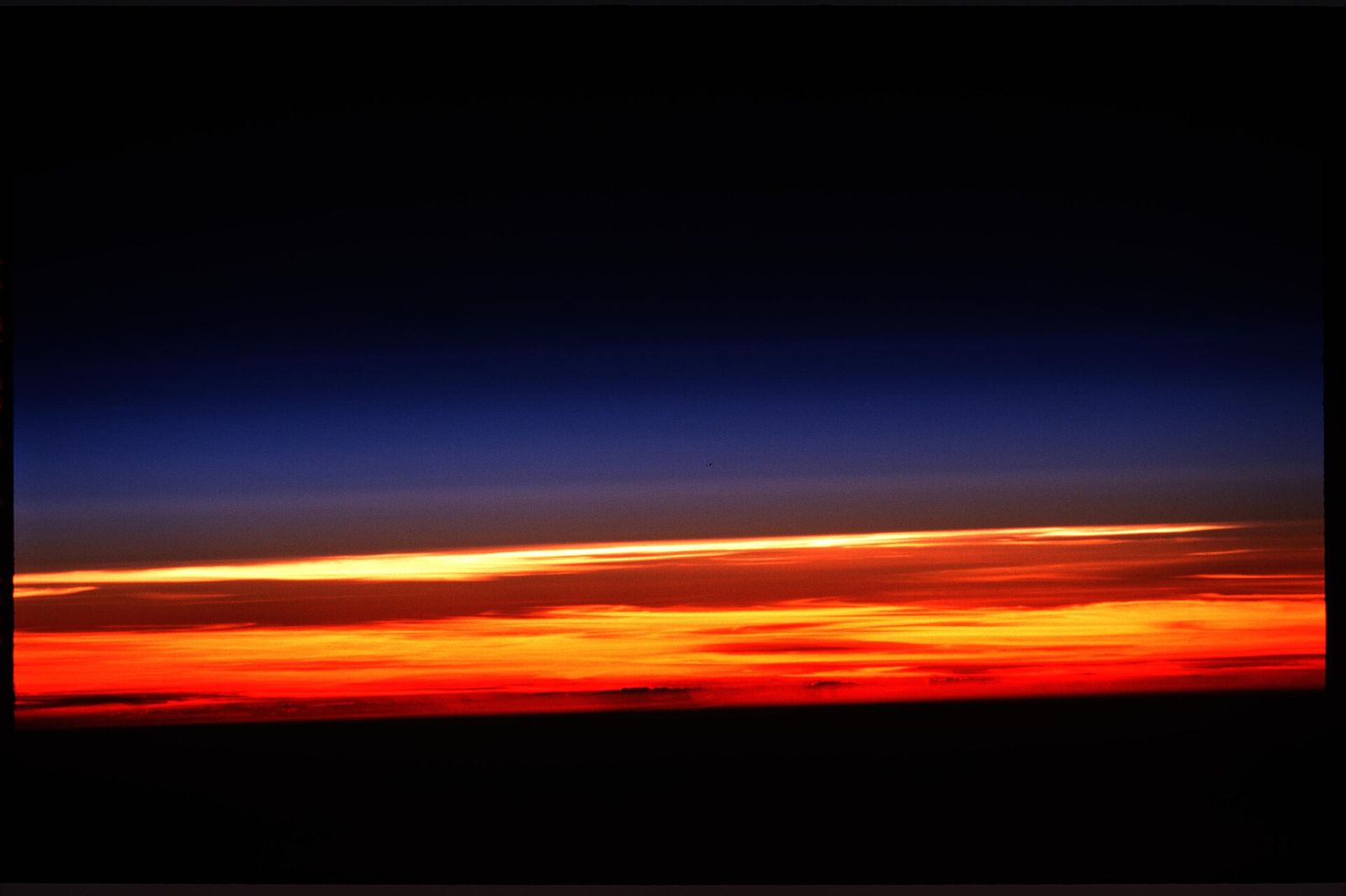
 Sixteen sunrises, and the one I missed
A guest on Voyage 04 on sleeping through the dawn, and why the second day was better.
Sixteen sunrises, and the one I missed
A guest on Voyage 04 on sleeping through the dawn, and why the second day was better.
Voyages to orbit, departing from the Atacama plateau, Chile
Sixteen sunrises a day
Five days four hundred kilometres up, in a cabin built around one window. The sun comes up every ninety-two minutes, and you will not want to sleep through any of it.
The planet behind this sentence is drawn live: sunlight scattered by the air as air scatters it, over the ground you would be crossing at this minute of the orbit. Scroll, and the orbit goes on.
The cabin
Built around one window
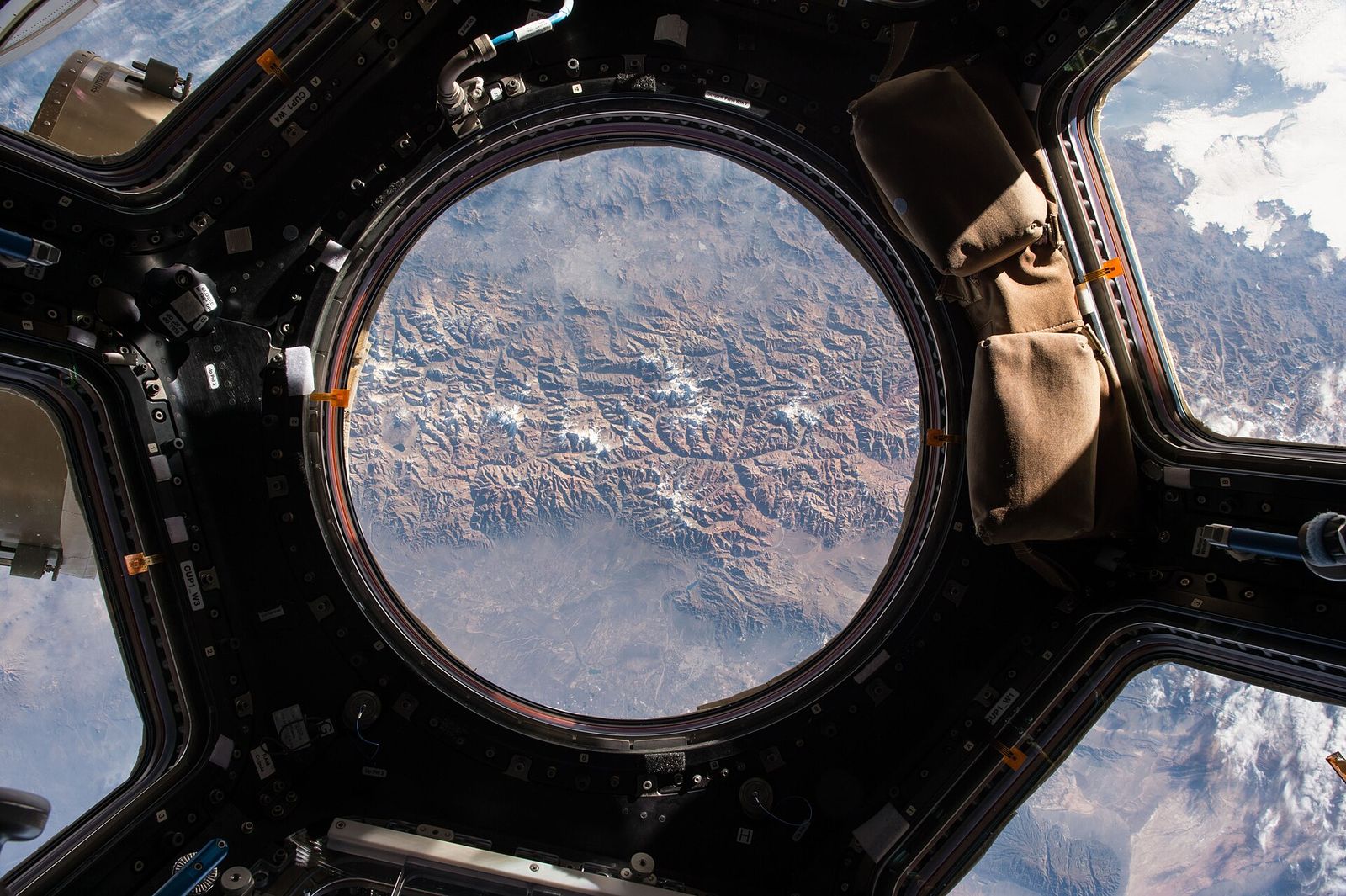
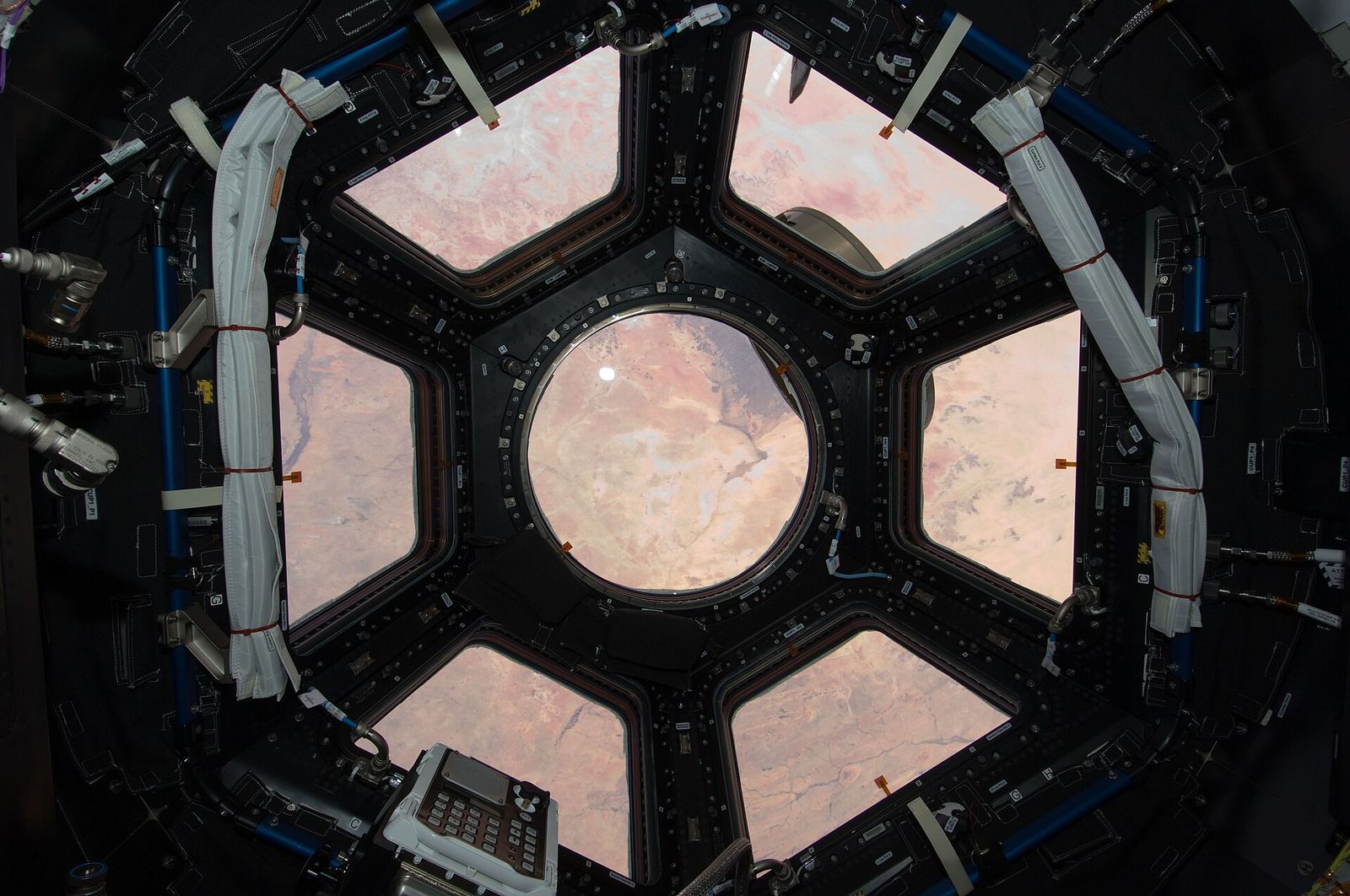
A capsule is mostly bulkhead. Ours is mostly glass: a seven-pane dome eighty centimetres across, set in the floor of the cabin so that the planet is below you, where your body expects it to be.
Four guests and one commander. The seats recline to face the dome. On the night side the cabin lights go to nothing, so the glass holds no reflection of you — only the aurora and the cities.
Each pane has its own shutter. They stay closed for the ride up, and open one at a time after the engines stop.
The day side
What passes beneath
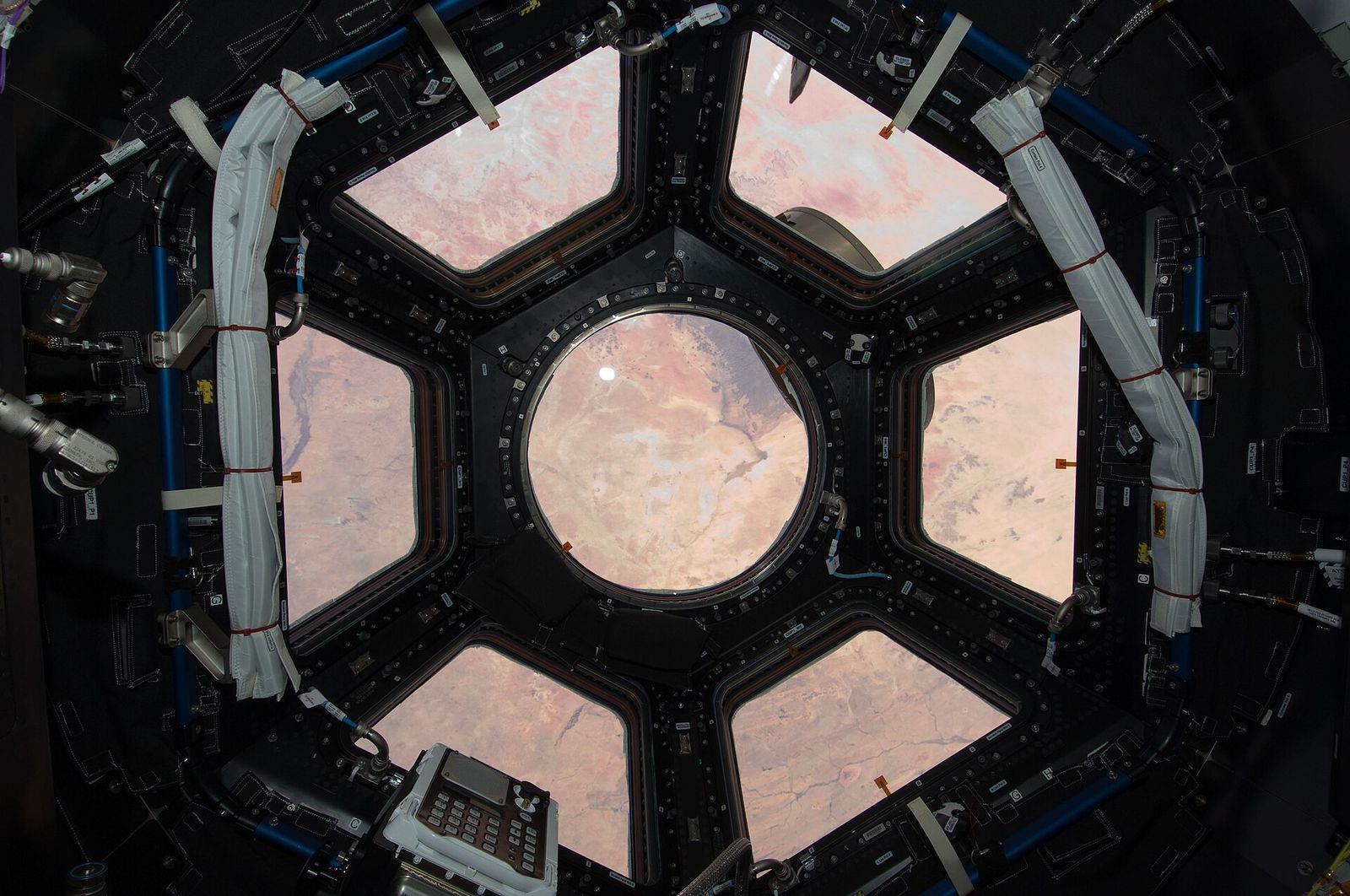
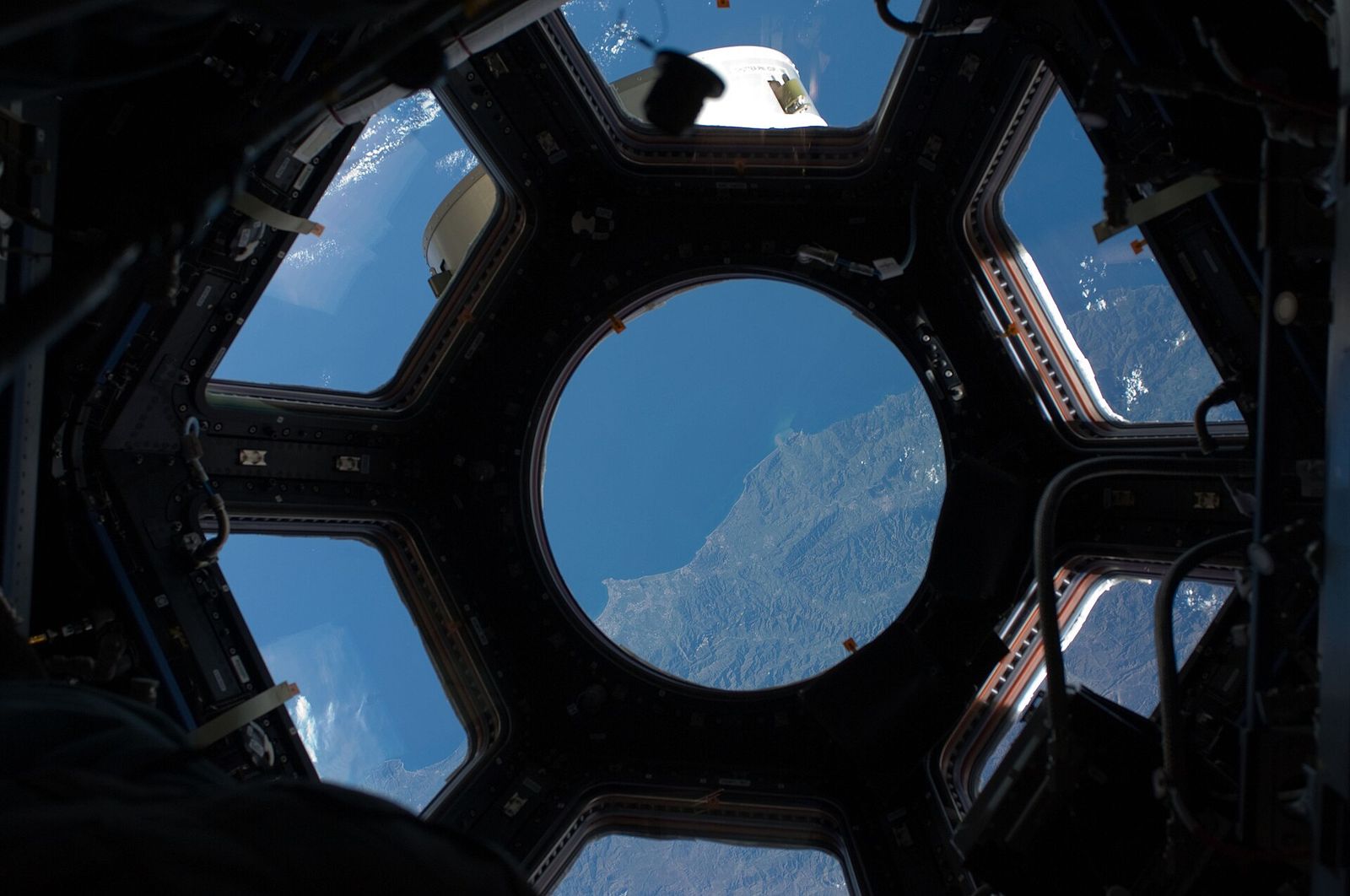
At 7.67 kilometres a second the ground does not pass so much as pour. Australia takes eight minutes. A storm the size of France, two.
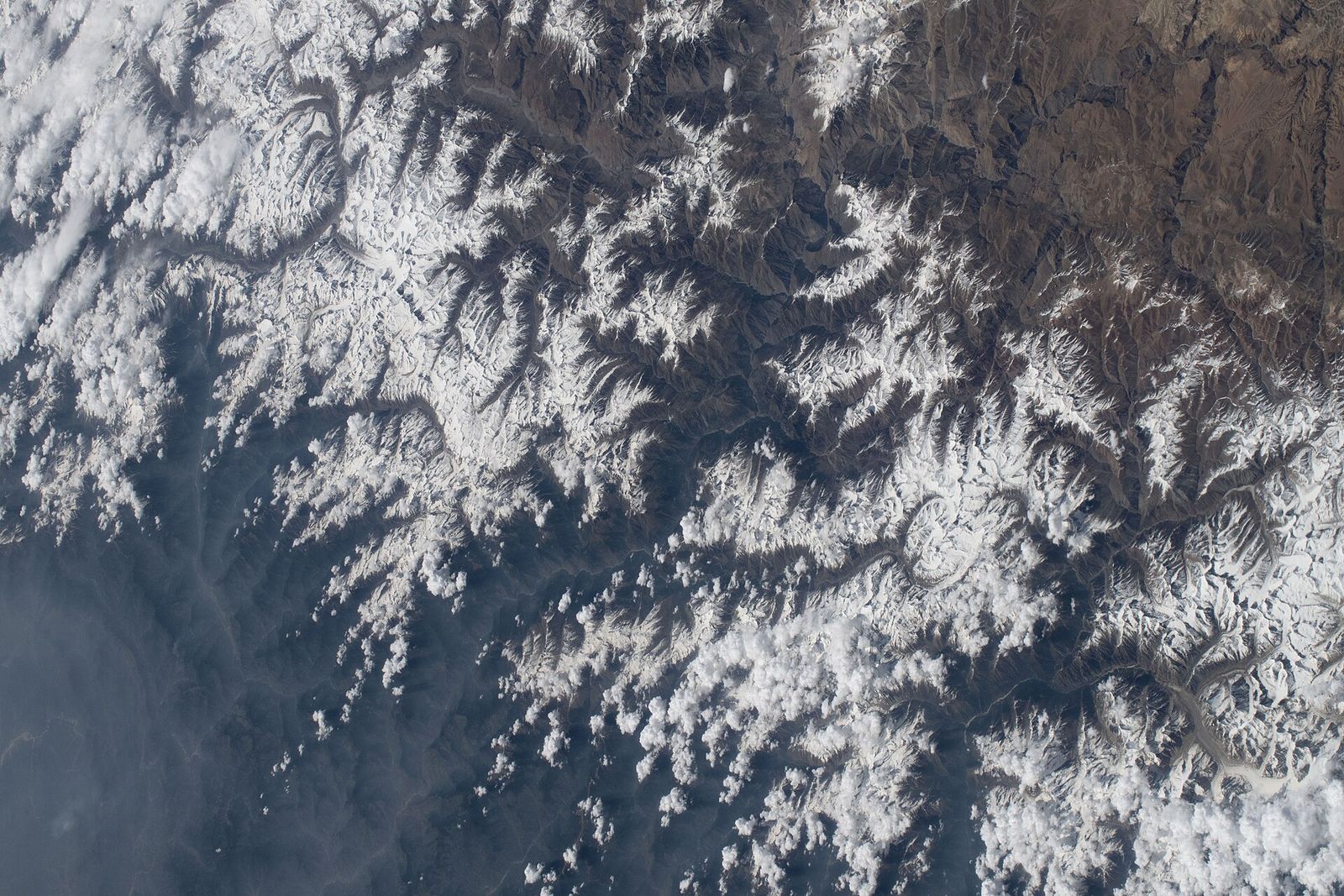
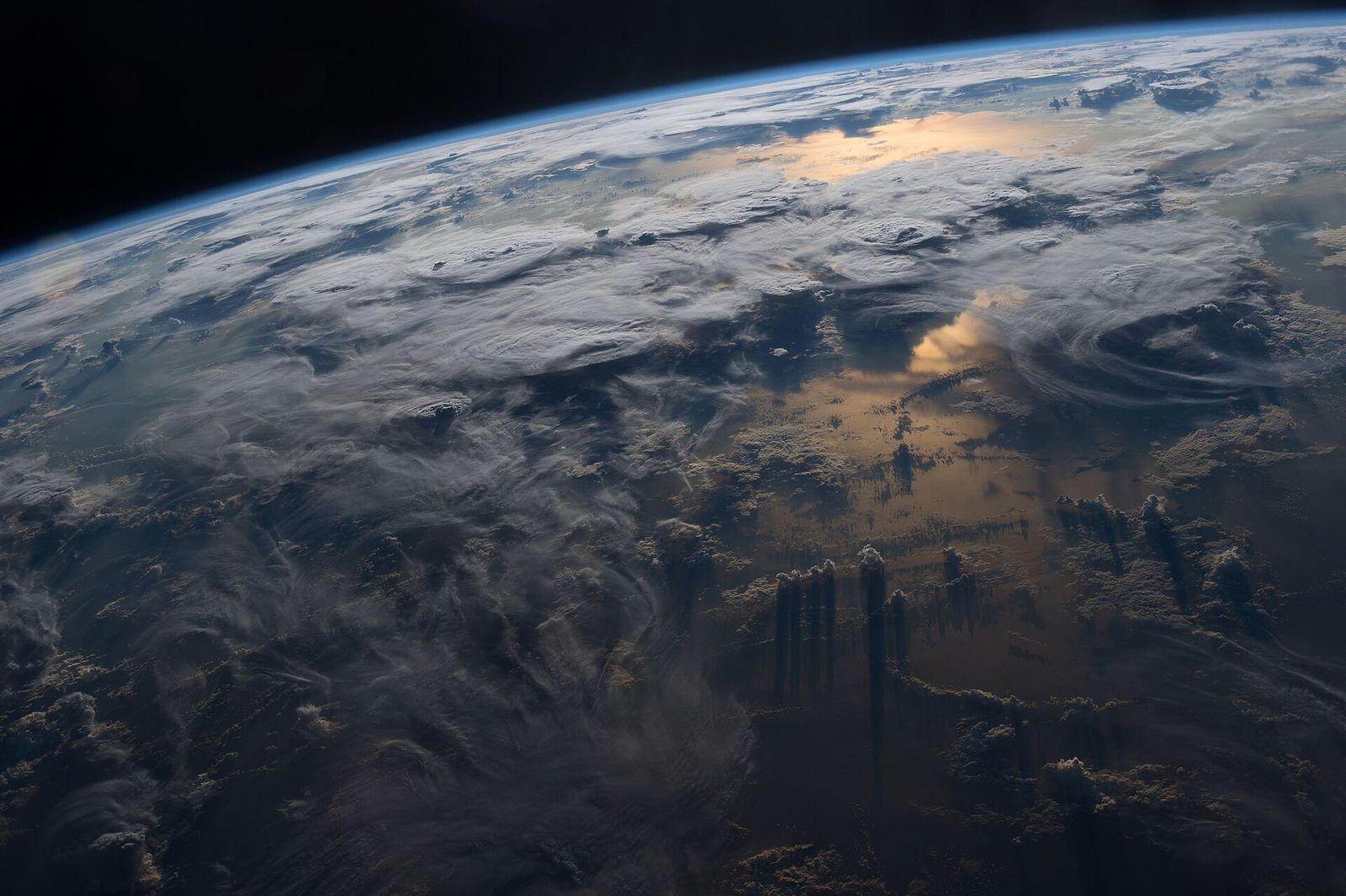
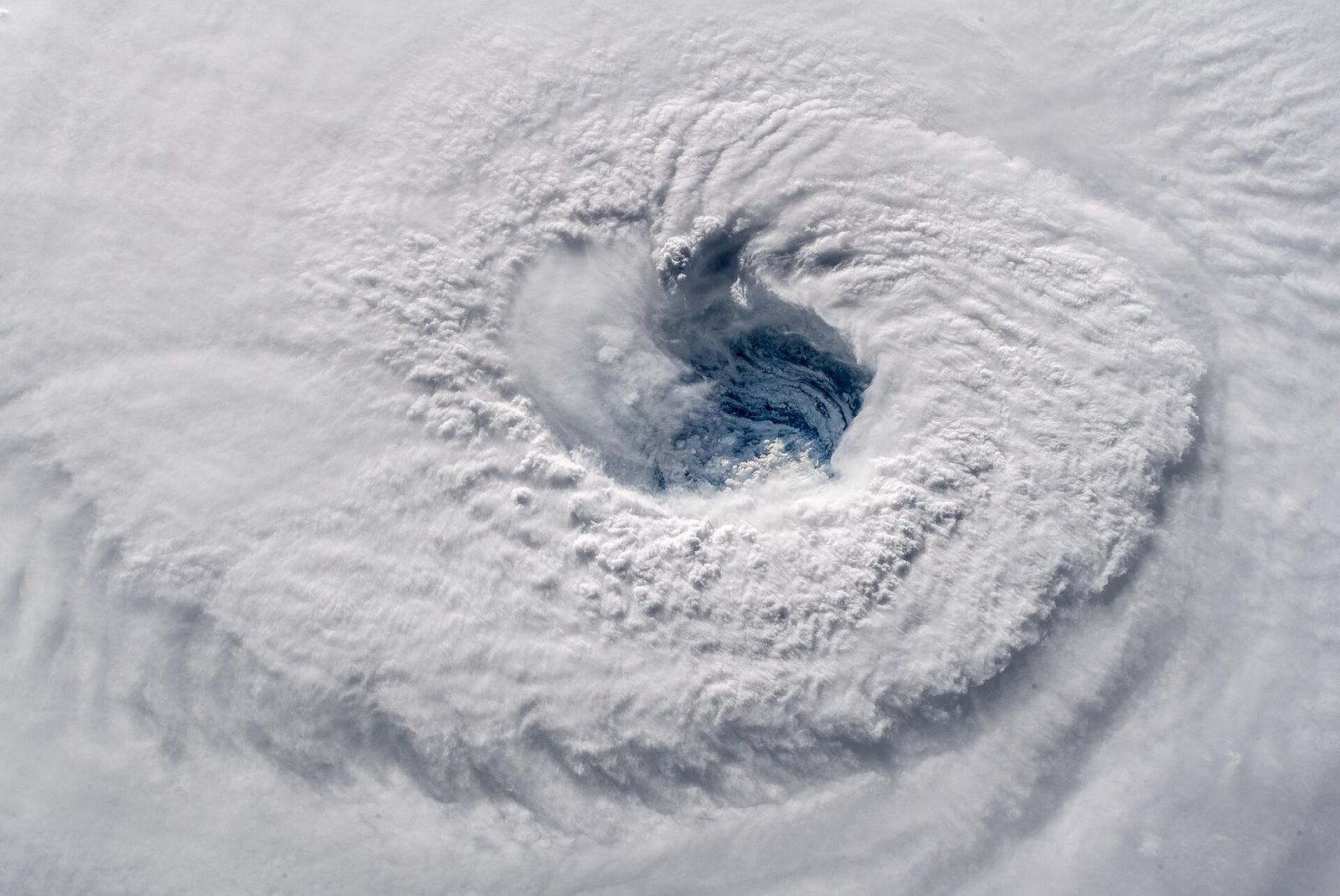
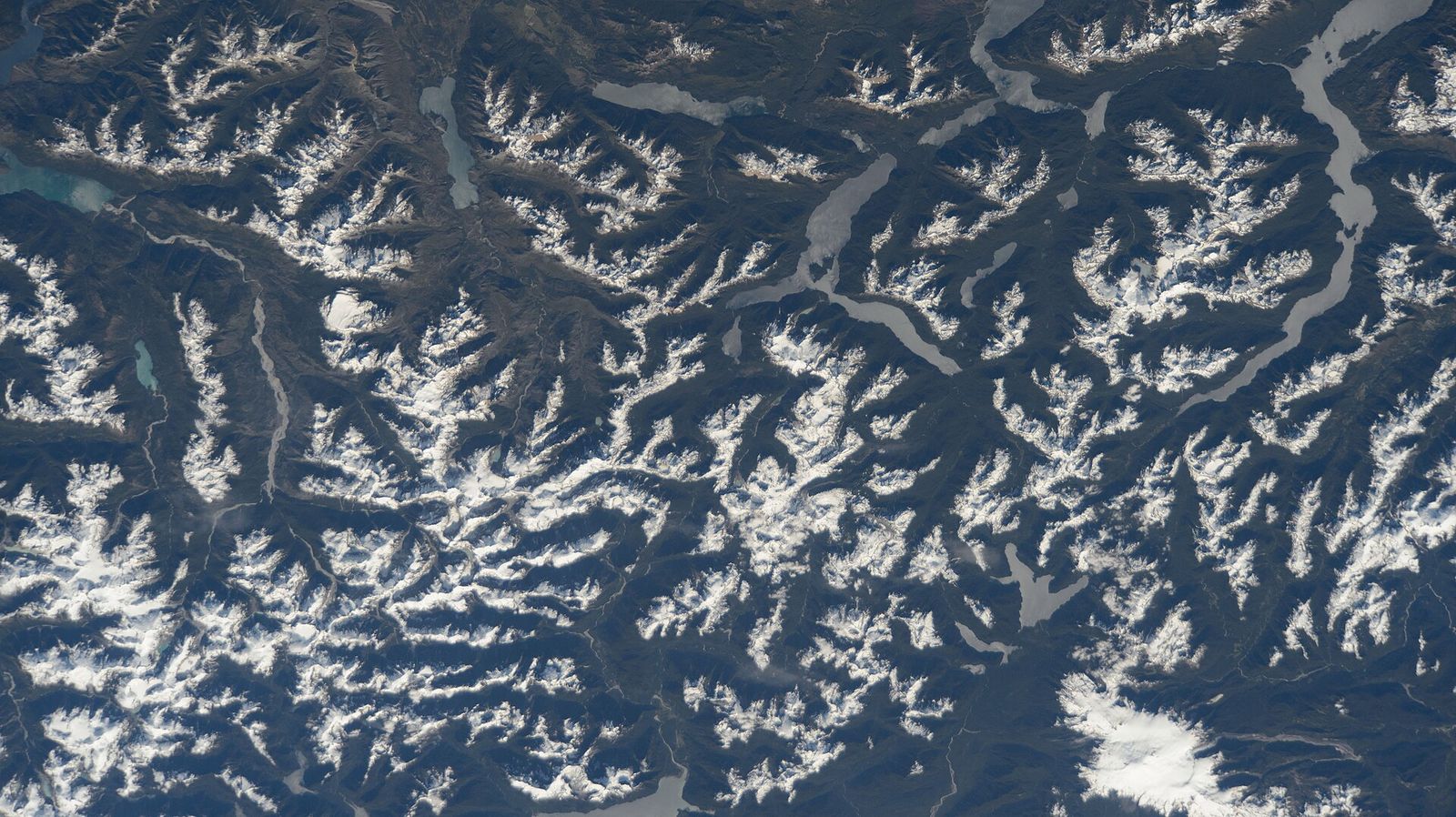
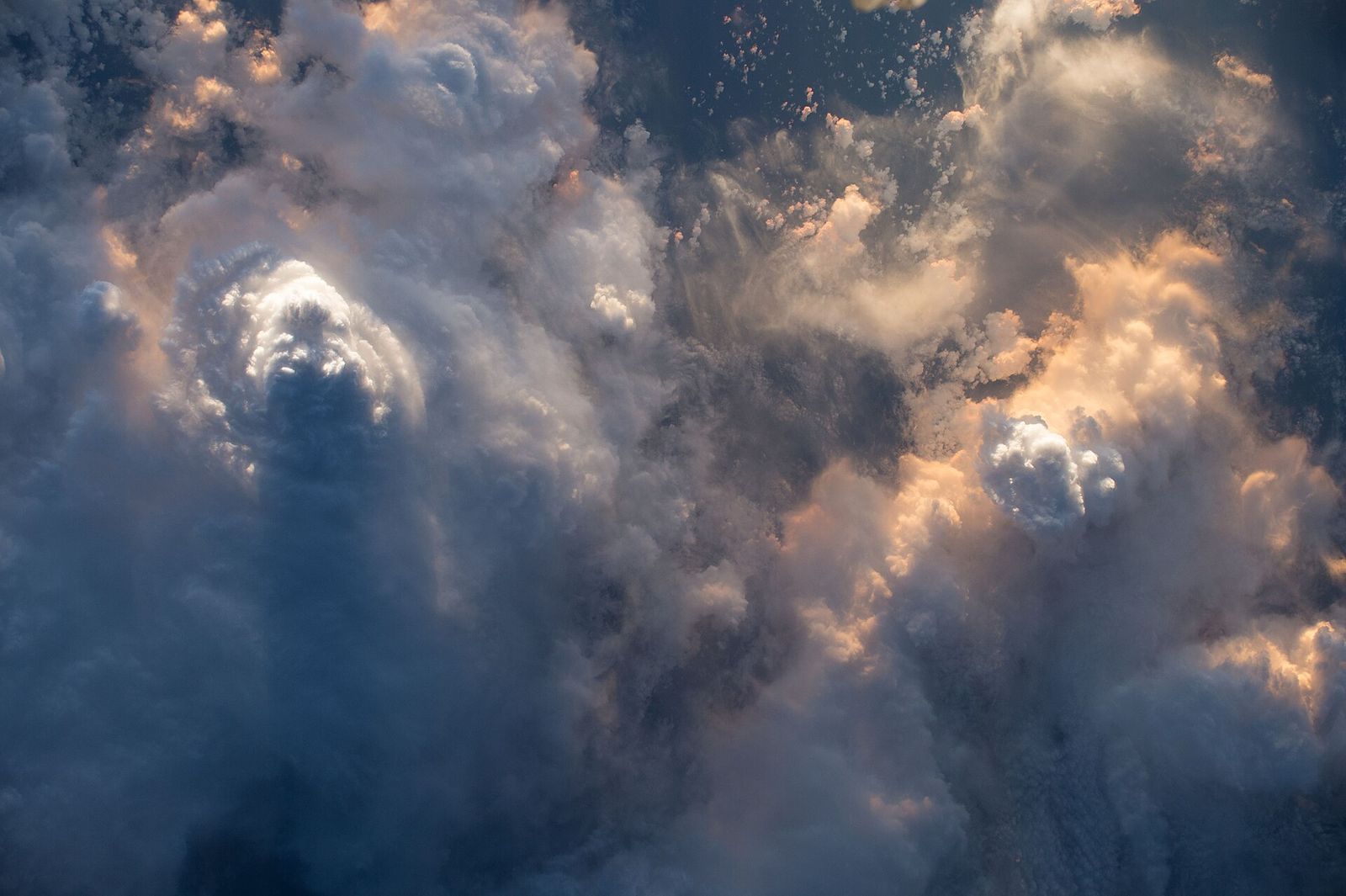
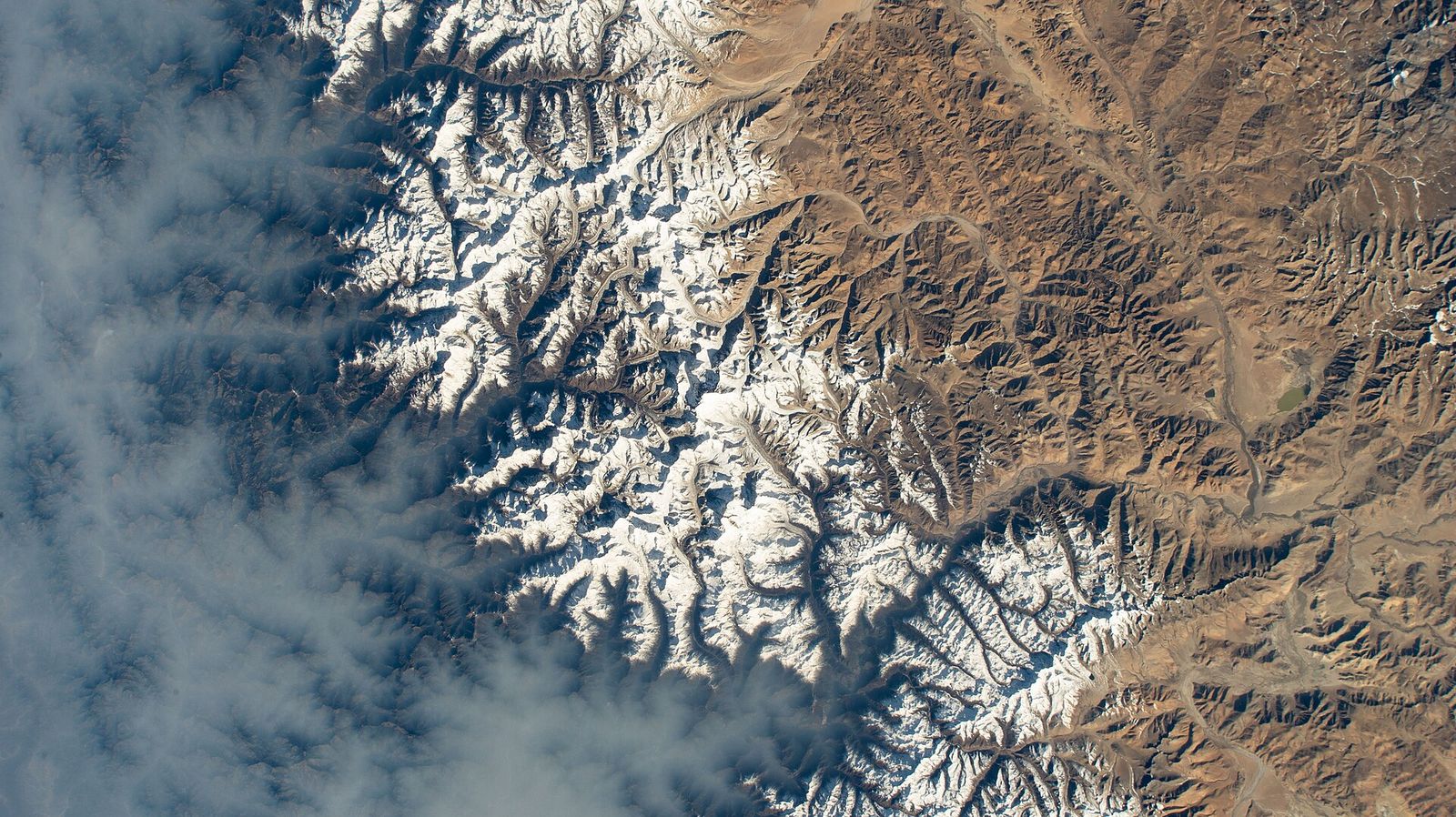
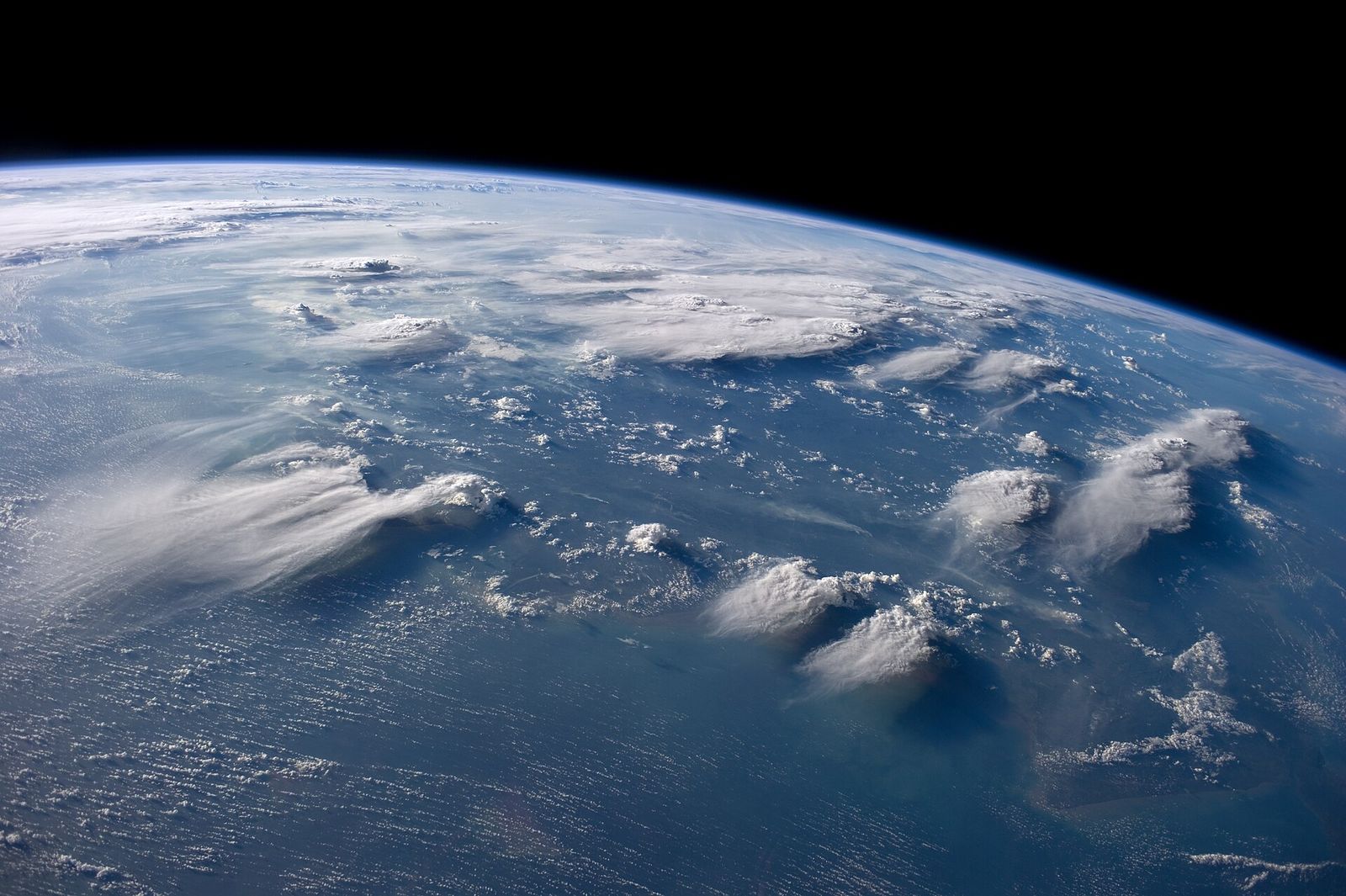
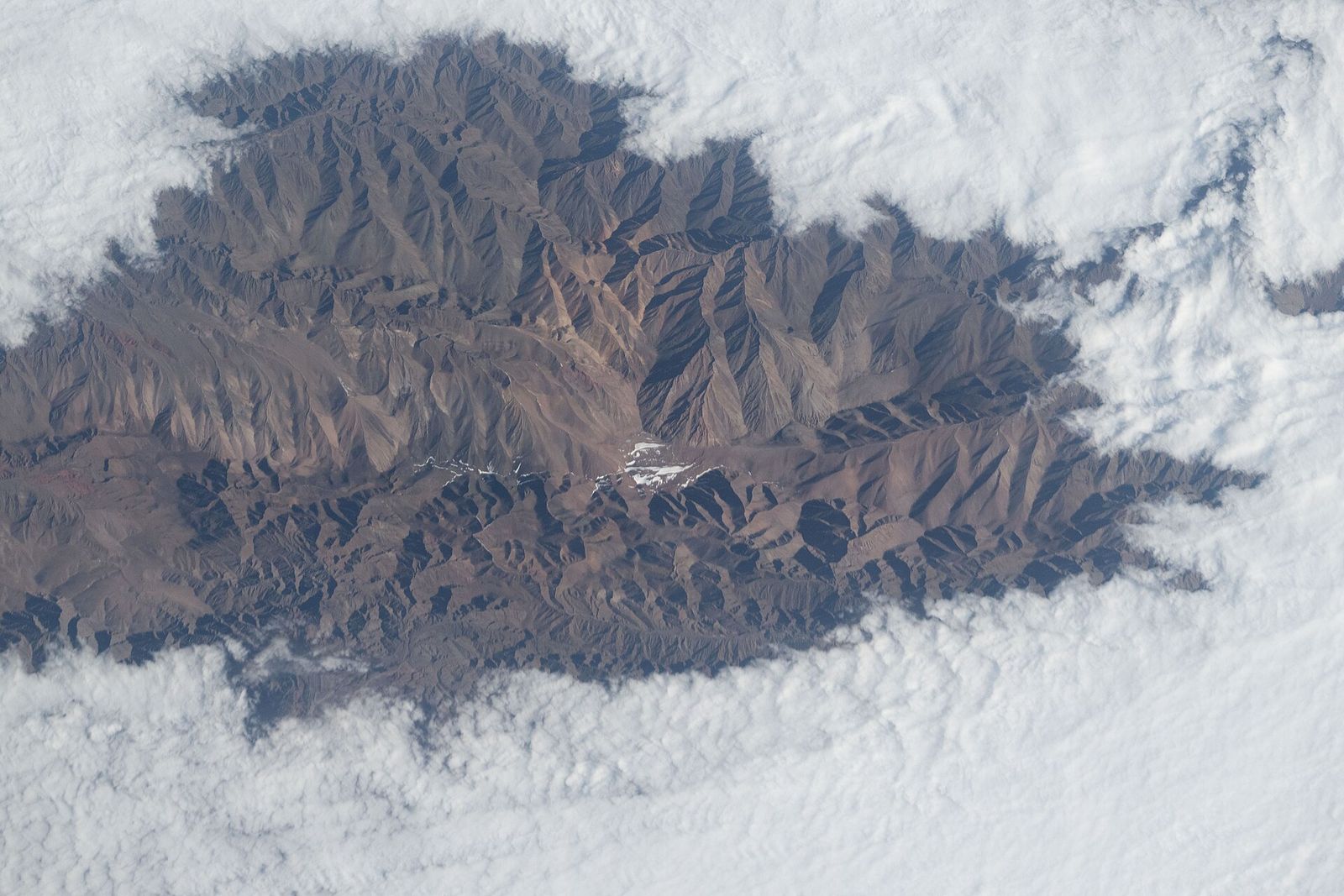
All photographed from the International Space Station by its crews. NASA, public domain.
The ride up
Eight and a half minutes
0km
- T+01:12 · 12 km Maximum dynamic pressure The loudest, roughest minute. It ends sooner than you expect.
- T+02:34 · 68 km The first stage falls away A shove in the back, then a different kind of quiet.
- T+03:41 · 100 km The Kármán line Where the air is too thin for a wing to fly. The house is named for it.
- T+05:20 · 190 km The sky goes black Not dark blue. Black, in daylight, with the sun still in it.
- T+08:48 · 408 km Engines off Everything loose in the cabin rises. The shutters begin to open.
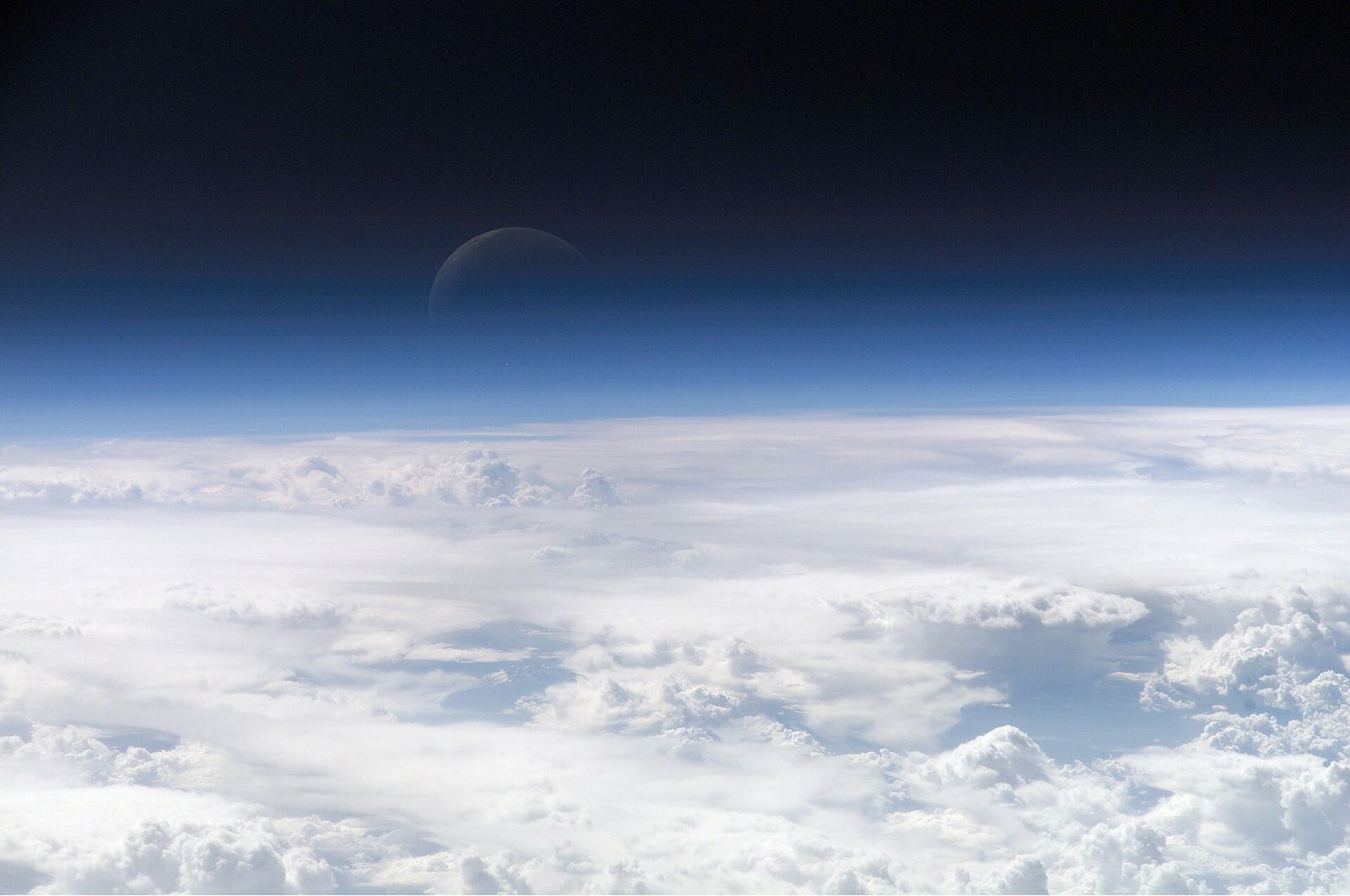
The same atmosphere as the page behind it, seen from inside: the sky darkens as the air thins, exactly as it would.
Preparation
Fourteen days on the ground first
- Day one Arrival on the plateau San Pedro sits at 2,400 metres. The first two days are for sleeping, walking and letting the altitude settle before anyone asks anything of you.
- Days three to five The centrifuge You will ride four and a half g for as long as the climb lasts, twice, with a physician watching. It is uncomfortable; it is not difficult.
- Day six Weightless, fifteen times A parabolic flight gives about twenty seconds without weight on each arc. By the fifteenth, you will know which way is up without looking.
- Days seven to ten Suit, seat and cabin Your pressure suit is cut to you. You will sit in the simulator until every handle is where your hand expects it in the dark.
- Days eleven and twelve Your people Family and friends come up to the plateau. The house arranges the rooms, the telescopes and the long dinner.
- Day thirteen Quarantine A quiet day behind glass, so nothing you catch comes with you.
- Day fourteen The walk out Before dawn, to the pad, in the order the crew has flown in since the first flights: commander last.
At 57:26 the sun sets behind the craft. It will be dark for 36 minutes.
The night side
The part guests talk about afterwards
The aurora, from above
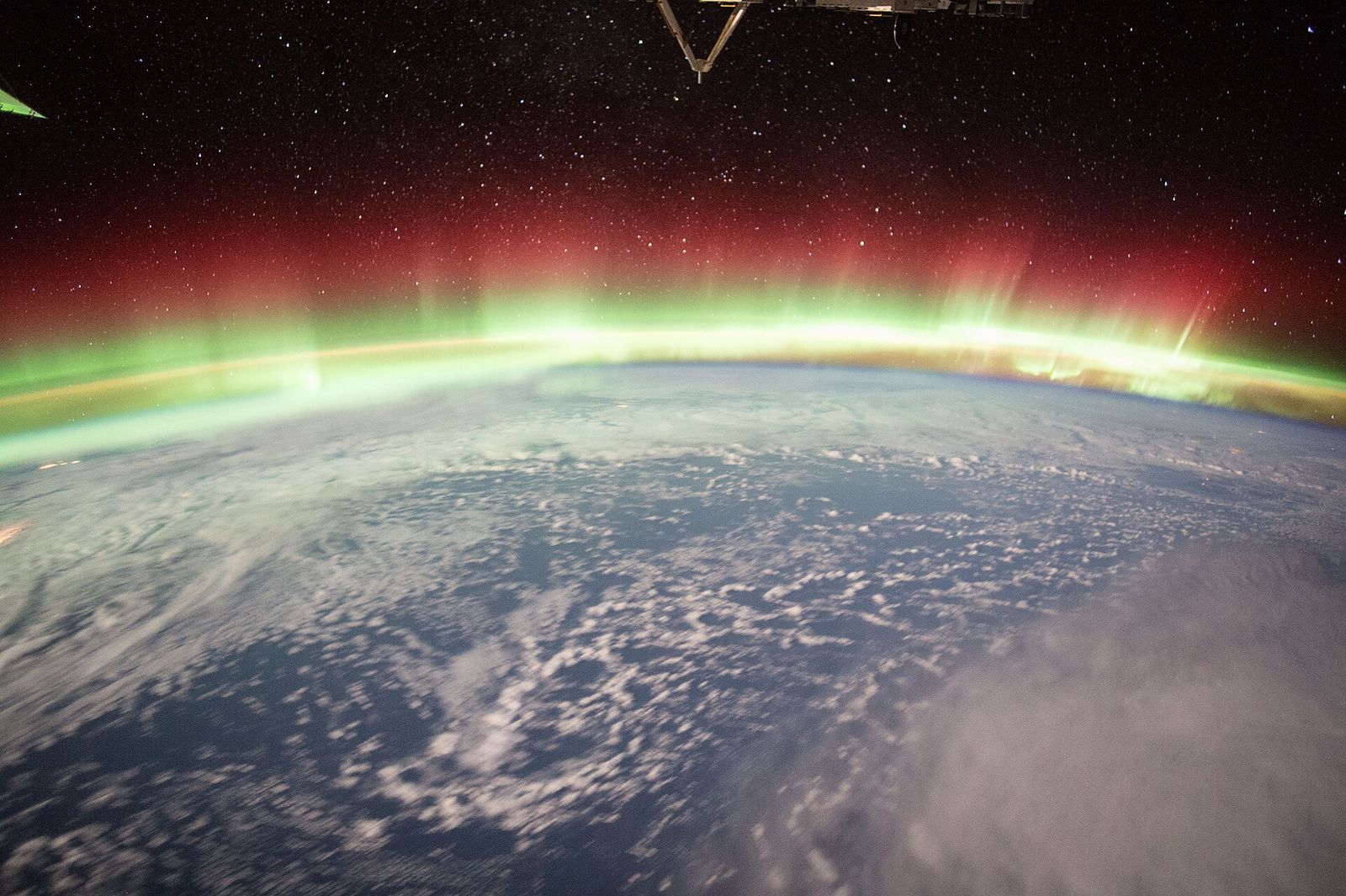
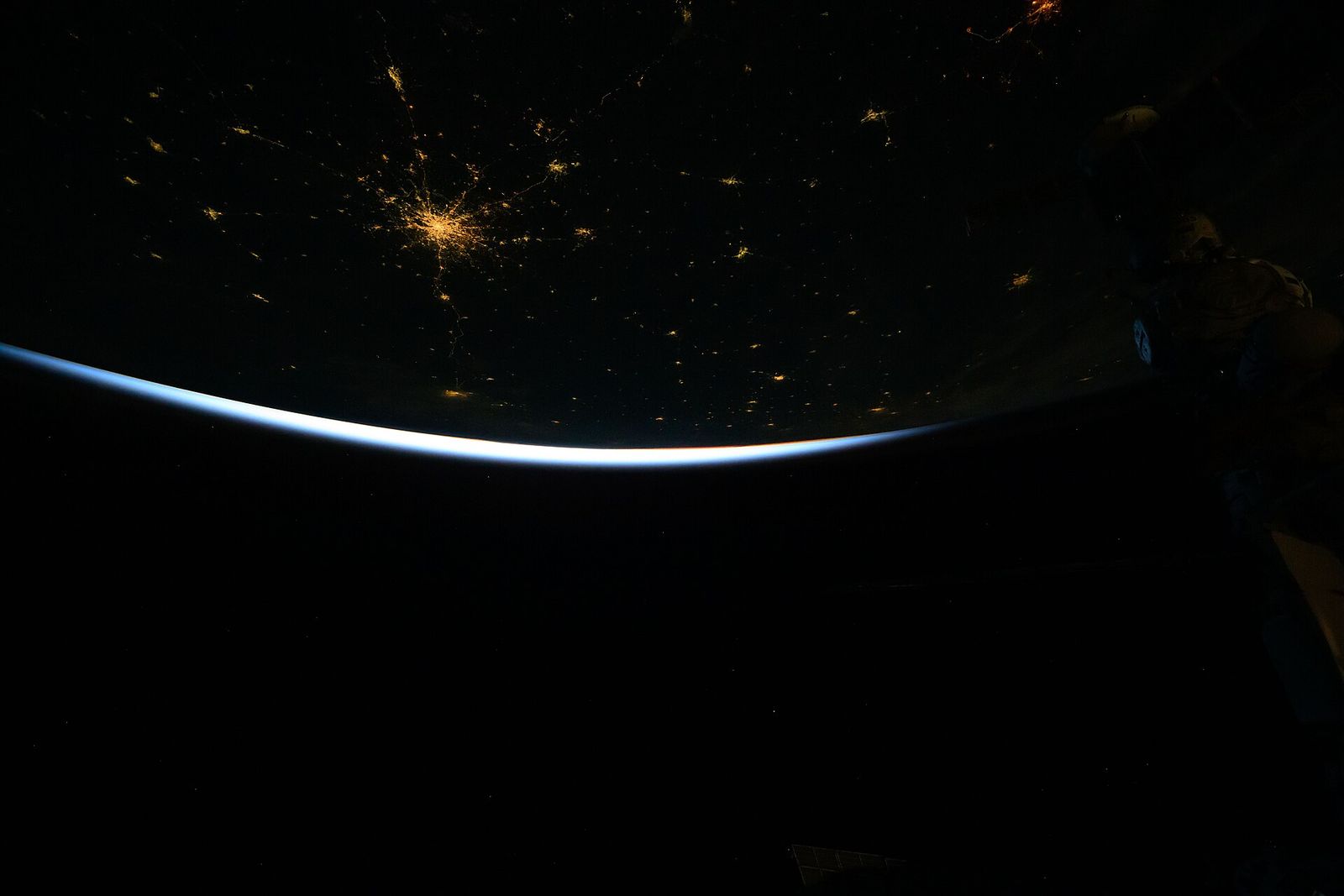
A green line at a hundred kilometres — atomic oxygen, glowing at 557.7 nanometres — and a fainter red above two hundred. From the ground you look up into it. From here you look across it, and it lies along the horizon like a lit fuse.
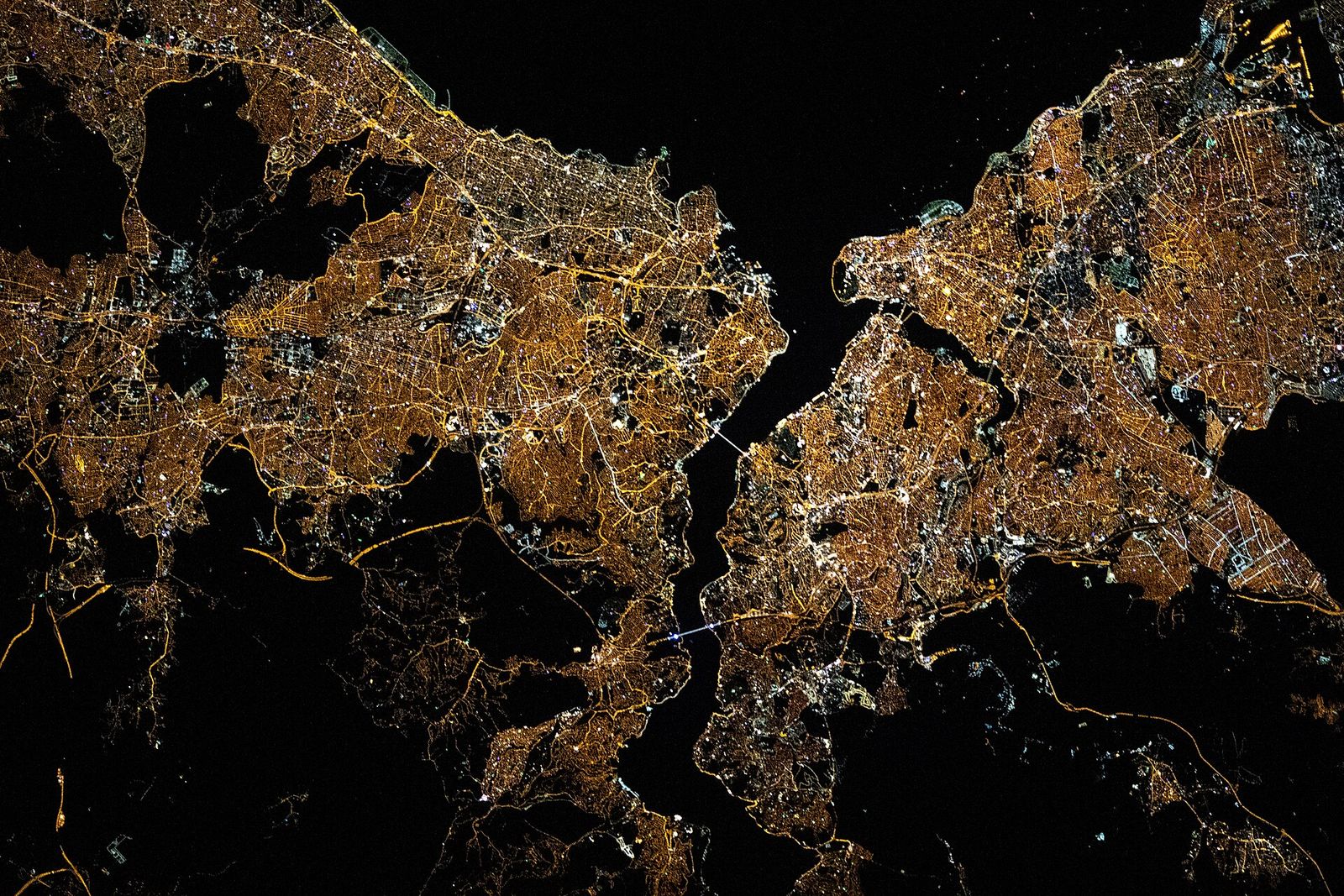
The lights of the Great Lakes
Chicago, Detroit, Toronto, Montréal: sodium orange at the edges, white at the centres, joined by the roads between them. Storms over the prairie light up from inside, a cloud at a time.
Departures
The manifest
Every voyage is written down as a flight director would write it: altitude, inclination, days. The orbits, the sunrises and the distance you fly are worked out from those.
- 07 Meridian 18 March 2027 5 days · 408 km · 51.6° 77 sunrises · 3.3 million km one of four seats $4.8 million
- 08 Terminator 2 May 2027 4 days · 540 km · 97.6° The sun never sets · 2.6 million km three of four seats $5.6 million
- 09 Tropic 21 June 2027 3 days · 380 km · 28.5° 46 sunrises · 2.0 million km four of four seats $3.2 million
- 10 Aurora 22 September 2027 7 days · 420 km · 51.6° 108 sunrises · 4.6 million km two of four seats $6.4 million
- 11 High Latitude 8 November 2027 6 days · 450 km · 70.0° 92 sunrises · 4.0 million km Full $5.9 million
- 12 First Light 14 January 2028 2 days · 400 km · 51.6° 31 sunrises · 1.3 million km four of four seats $2.4 million
From the log
Written on the way down
Sixteen sunrises, and the one I missed
A guest on Voyage 04 on sleeping through the dawn, and why the second day was better.
 Why the window is in the floor
 Thirty-six minutes of night
The second sunrise
Reserve a seat
92 minutes and 35 seconds after it began, the orbit ends where it started, with the sun coming up. Tell us which voyage you are thinking about, and the house will write back within two working days.