Voyage 10 · departs 22 September 2027
Aurora
Seven days around the equinox, when geomagnetic storms are most frequent and the aurora is at its brightest.
- Days in orbit
- 7
- Altitude
- 420 km
- Inclination
- 51.6°
- Seats
- 2 / 4
The ground track: one orbit, drawn on a flat map of the Earth.
What that plan means
You will go round 108 times, once every 92.8 minutes, and see 108 sunrises. The voyage covers 4,633,549 kilometres at 7.66 kilometres a second, and at no point will it feel like moving.
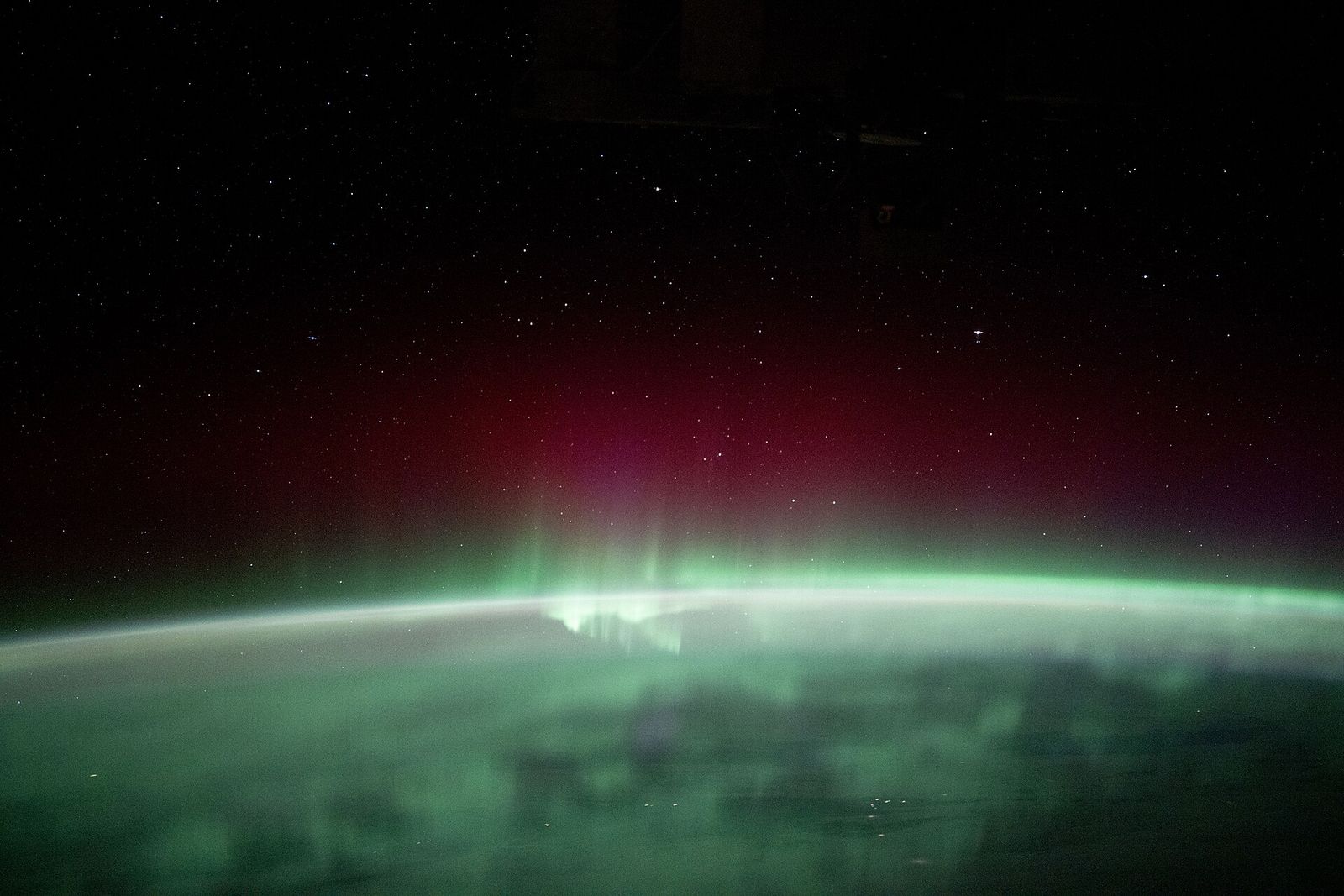
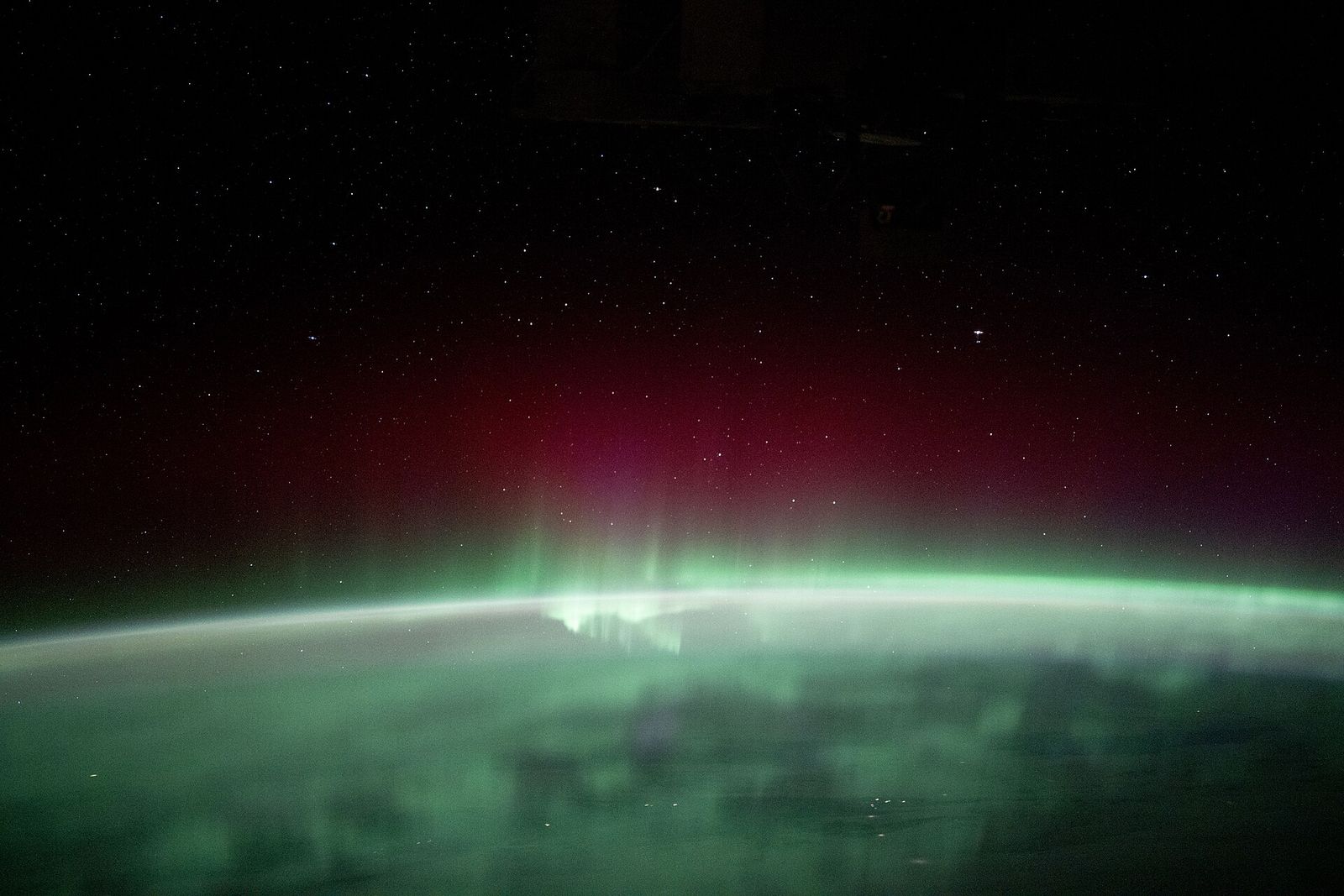
High enough that the view reaches 72° of latitude: on the night passes the auroral ovals rise over the poleward horizon, green at a hundred kilometres and red above.
$6.4 million per seat, all preparation included
Aurora is timed for the autumn equinox, when the tilt of the Earth’s magnetic field toward the solar wind makes geomagnetic storms more likely than at any other time of year. It is the longest voyage we fly on the station’s orbit, and the one we most often extend.
At 51.6 degrees, the high point of each orbit brings the craft close enough to the auroral ovals to look across them. The green curtains are at about a hundred kilometres, below you; the red tops reach past two hundred. On a strong night you will fly through the light rather than over it.
From the ground the aurora is above you. From orbit it is a lit fuse laid along the edge of the world.